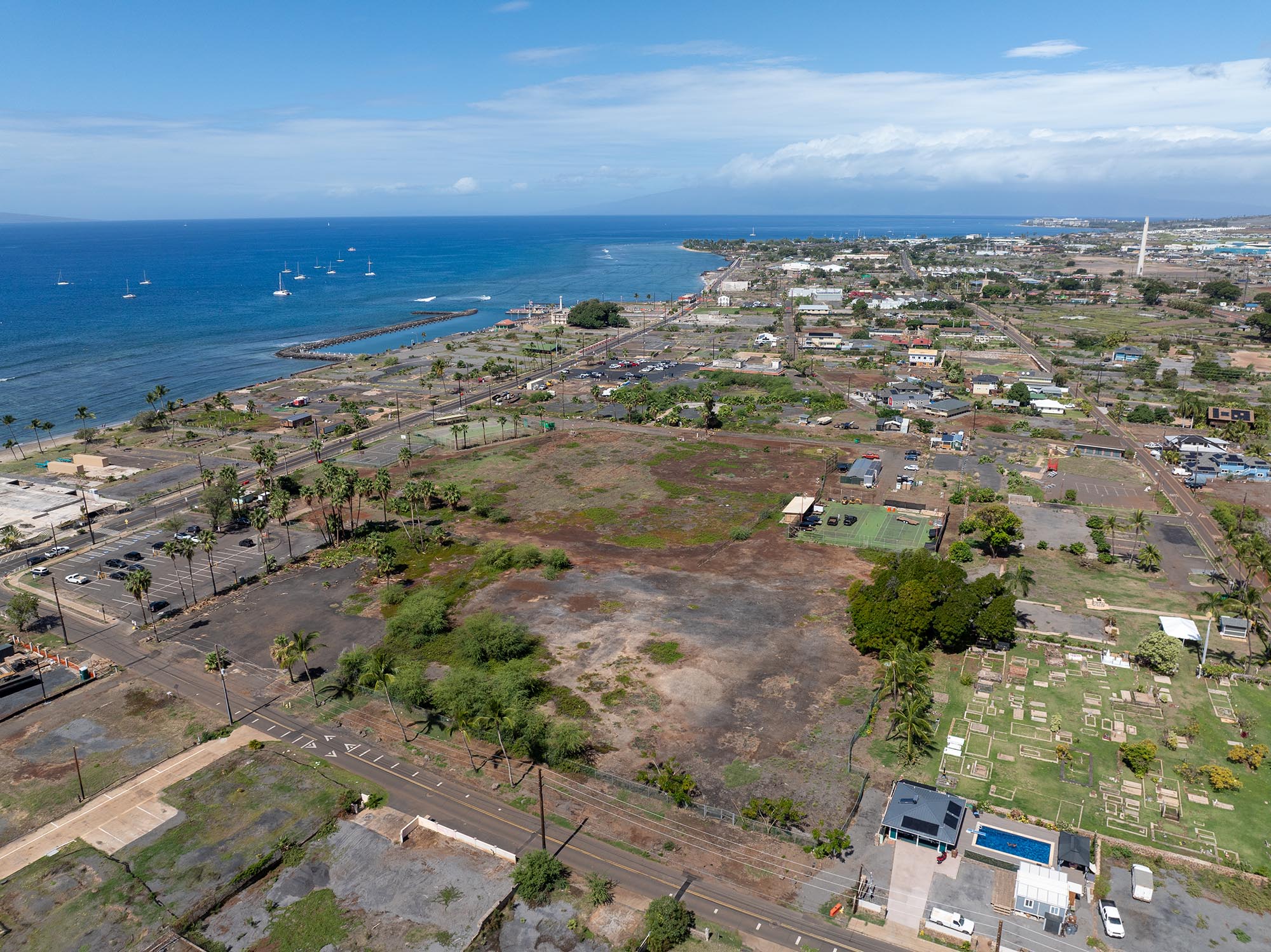
The County of Maui Department of ‘Ōiwi Resources is encouraging Maui and Hawai‘i residents – especially Lahaina kupa‘āina (native-born) and kamaʻāina – to participate in an online survey that will help shape the master plan to restore Lahaina’s historic Royal Complex (Lua‘ehu).
Important information and an updated timeline on the Royal Complex Master Plan were presented by the department at the County’s Lahaina Community Meeting on Wednesday night. View the June 3, 2026, meeting on the County of Maui Facebook page (no account needed to view) and take the master plan survey at https://arcg.is/0mbmDy.
“This master plan is a community-led, government-supported effort to restore and honor one of Lahaina’s most significant cultural places,” Mayor Richard Bissen said. “Together, our shared vision will support healing and perpetuate Lahaina’s historic Royal Complex for generations.”
Following the 2023 fires, the Royal Complex Master Plan is charting a course for long-term cultural, ecological and community healing focusing on “ola ka ʻāina, ola ke kanaka — when the land thrives, so do the people,” according to the County Department of ‘Ōiwi Resources, which is leading the multiyear master planning process.
“While the sacred center of Moku‘ula and Mokuhinia will continue to be shaped primarily by cultural practitioners and those with ancestral kuleana, the broader ripple effect of the Royal Complex touches public access, infrastructure and traffic flow that impacts the entire island chain,” County of Department of ‘Ōiwi Resources Director Kaponoʻai Molitau said. “Residents are encouraged to complete the online survey to voice their perspectives on what they seek to learn from this space and what they seek to offer.”
The master plan encompasses a deeply sacred area in the heart of Lahaina that includes Moku‘ula, Loko o Mokuhinia, Pākalā and Loko o Nālehu, surrounding what was formerly known as Malu ‘Ulu o Lele Park. Historically celebrated as ‘āina momona (a land of abundance) defined by freshwater resources, fishponds and royal residences, the site serves as the historical political capital of the Hawaiian Kingdom.
Rooted in the guiding principle “E Hoʻi ka Nani i Mokuʻula” (Restoring the glory to the Royal Complex), the master planning process aims to weave together the community’s vision with technical research to establish a strategic roadmap for cultural and ecological servantship.
Its completion does not translate to immediate construction but rather establishes a living framework for subsequent environmental reviews, historic reviews, permitting and multiphase implementation over generations.
During Wednesday night’s meeting, the department’s planning team from G70 and SR Partners introduced a tentative timeline for next steps, which include:
- Research and technical studies: summer 2026 - spring 2027
- Community gatherings and learning: summer 2026 - early 2027
- Planning, design and implementation gatherings: fall 2026 - spring 2027
- Draft plan review: first quarter 2027
- Community review and refinement: spring - summer 2027
- Final master plan delivery: summer 2027
To ensure the resulting framework is comprehensively viable and ecologically sound, the planning team shared an updated accountability scorecard tracking the critical environmental, regulatory and historic reviews. Other finished and ongoing work include:
- A baseline geotechnical overview study has been completed by Geolabs Inc.
- Ongoing research across a variety of disciplines, including archaeological and cultural resource tracking, hydrological mapping of ancestral water sources, wetland biology assessments, aerial imagery and topography work, traffic and circulation analysis
- In-depth review of existing land and water use regulations
Components for conceptual landscape design and comprehensive wildfire resilience planning are scheduled to begin
For questions about the Royal Complex Master Plan process or to submit feedback via email, contact LRC@g70.design.
For general information on the County Department of ʻŌiwi Resources, visit https://www.mauicounty.gov/2916/Department-of-iwi-Resources.


.jpg)




.svg)
.svg)