If your home or business was impacted by flooding or storm conditions, taking the right steps early can help support your recovery process.
Take clear photos and videos of all affected areas, including structural damage, personal belongings, and appliances. Please save all receipts related to stabilizing and cleanup.
Reach out to your insurance company as soon as possible to begin the claims process. For additional support on filing your claim, go to the United Policyholders' website below.
If your property was damaged, you may qualify for a reduction in real property taxes through the County of Maui’s Disaster Remission program. This applies to damage to your land and structure (not personal belongings).
County of Maui, Real Property Assessment Division
110 ‘Ala‘ihi Street, Suite 110
Kahului, HI 96732-3562
Safety First: Review safety guidance before beginning any cleanup work:
https://www.cdc.gov/natural-disasters/safety/index.html
Decide whether you will handle cleanup yourself or need assistance:
Hiring Help:
Work only with licensed and reputable contractors. (Additional guidance on hiring a trusted contractor will be provided.)
Separate your debris in preparation for self-disposal.
How to separate your debris (see diagram below):
In March 2026, two Kona storms brought heavy rains and flooding that impacted communities across the State of Hawai‘i. The County of Maui is continuing to work alongside partner agencies and organizations to support response and recovery efforts. The information below is intended to help residents and businesses access available resources and report storm-related impacts.
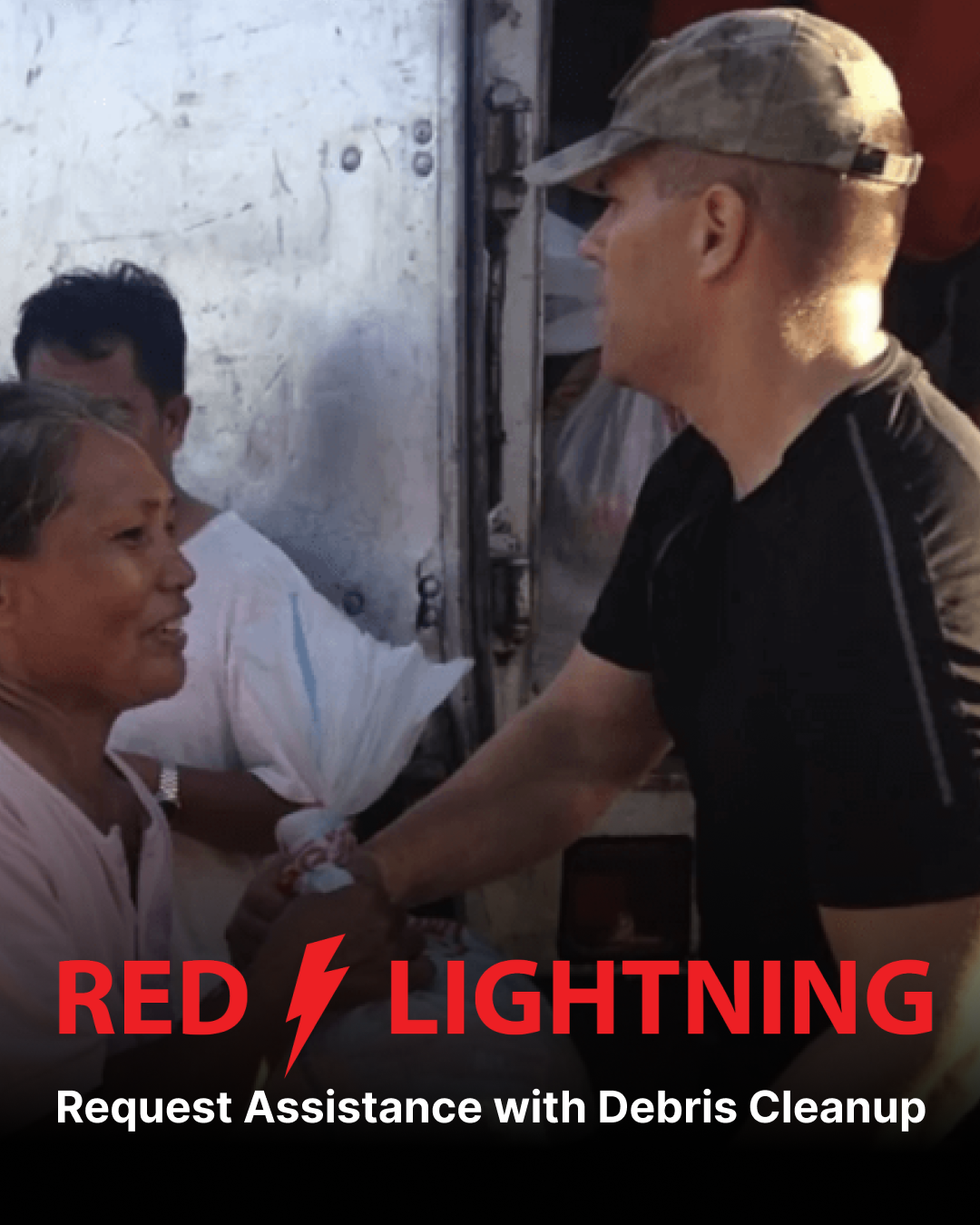
Red Lightning is mobilizing to assist with cleanup and recovery efforts, helping residents clear debris and begin rebuilding.
Use the state's Hawai‘i Emergency Management Agency form to report damage and/or request temporary shelter or housing, if your home was impacted by the March Kona Low storms.

The County encourages self-hauling when possible to reduce the strain on local resources. The County Department of Environmental Management Environmental Protection & Sustainability division (EP&S) will also conduct several recycling and drop-off events for specific residential debris. Below are options for residents:
Central and Upcountry Maui Clean-up
Green Waste (Please Kōkua: No Rocks, Dirt, or Trash)
Large Appliances / White Goods (Please Kōkua: Remove Food)
Electronics
South Maui Clean-up
Green Waste (Please Kōkua: No Rocks, Dirt, or Trash)
Large Appliances / White Goods (Please Kōkua: Remove Food)
Electronics
Molokai Clean-up
Green Waste (Please Kōkua: No Rocks, Dirt, or Trash)
Large Appliances / White Goods (Please Kōkua: Remove Food)
Electronics
Hana Clean-up
Green Waste (Please Kōkua: No Rocks, Dirt, or Trash)
Appliances, Electronics & Household Hazardous Waste
West Maui Clean-up
Green Waste (Please Kōkua: No Rocks, Dirt, or Trash)
Appliances, Electronics & Household Hazardous Waste
Lanai Clean-up
Green Waste (Please Kōkua: No Rocks, Dirt, or Trash)
Large Appliances / White Goods / Electronics / Hazardous Waste
.jpg)



Call 855-304-8181 to report power outages, downed lines, or electrical hazards.
The Department of Public Works, Highways Division is working to clear County roads of mud and sediment. Please follow these guidelines to assist with cleanup:
For kūpuna and those that are physically unable to self-haul debris, please notify the County by filing out an online storm debris report at mauicounty.gov/mema. Please describe the types and amount of debris.
For those needing assistance with the online form, please call MEMA at (808) 270-7285.
The County is working to organize curbside pickup for residents unable to self-haul their debris. In preparation for this, please separate and pile your debris into the below types:
PLEASE DO NOT PLACE PILES ON ROADWAYS OR SIDEWALKS. To ensure safe access for collection crews and emergency vehicles, piles must be kept away from:

The County encourages self-hauling when possible, to reduce the strain on local resources. Below are options for residents capable of hauling their own debris:
Lithium-ion batteries can be found in electric and hybrid vehicles, e-bikes, e-scooters, electric lawn mowers, and backup storage systems for solar panels. When flooded they should be removed from your home or garage in case of fires. Damaged batteries may feel hot, emit smoke, or make unusual noises but will not always show these signs. Flooded electric or hybrid vehicles should be pushed or towed and not turned on. They should be checked by a mechanic when possible before driving. Smaller flooded lithium batteries should not be placed in regular trash or recycling as they can cause fires in transportation or at landfills and recyclers. Visit EPA’s waste battery pages to determine what kind of battery you have and to find options for safe recycling or disposal. Use the National Fire Protection Association’s Flooded Electric or Hybrid Vehicle Bulletin for more information on your battery powered vehicle.
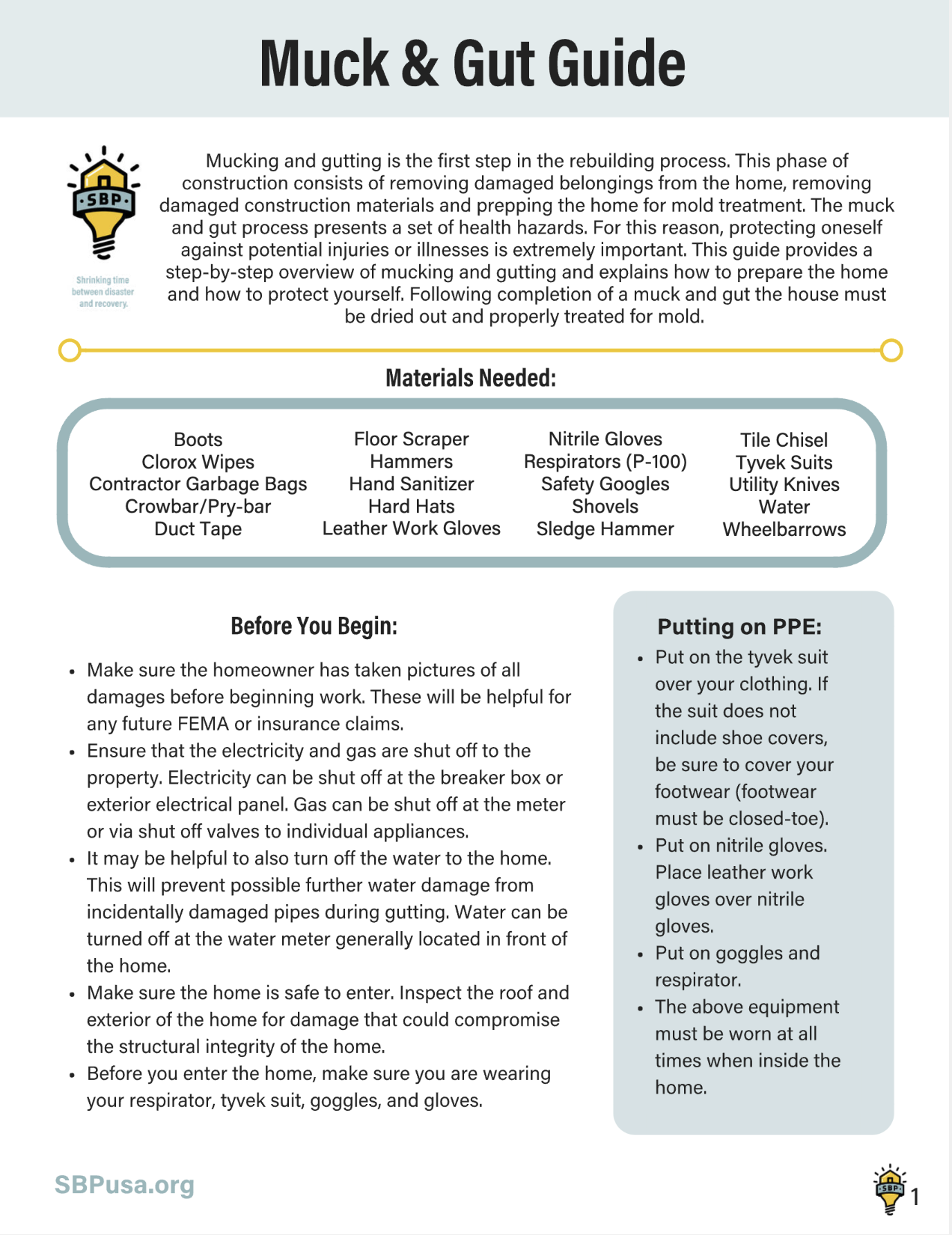
Mucking and gutting is an important first step after flooding. This process includes removing damaged belongings and materials and preparing the home for mold treatment and repair.
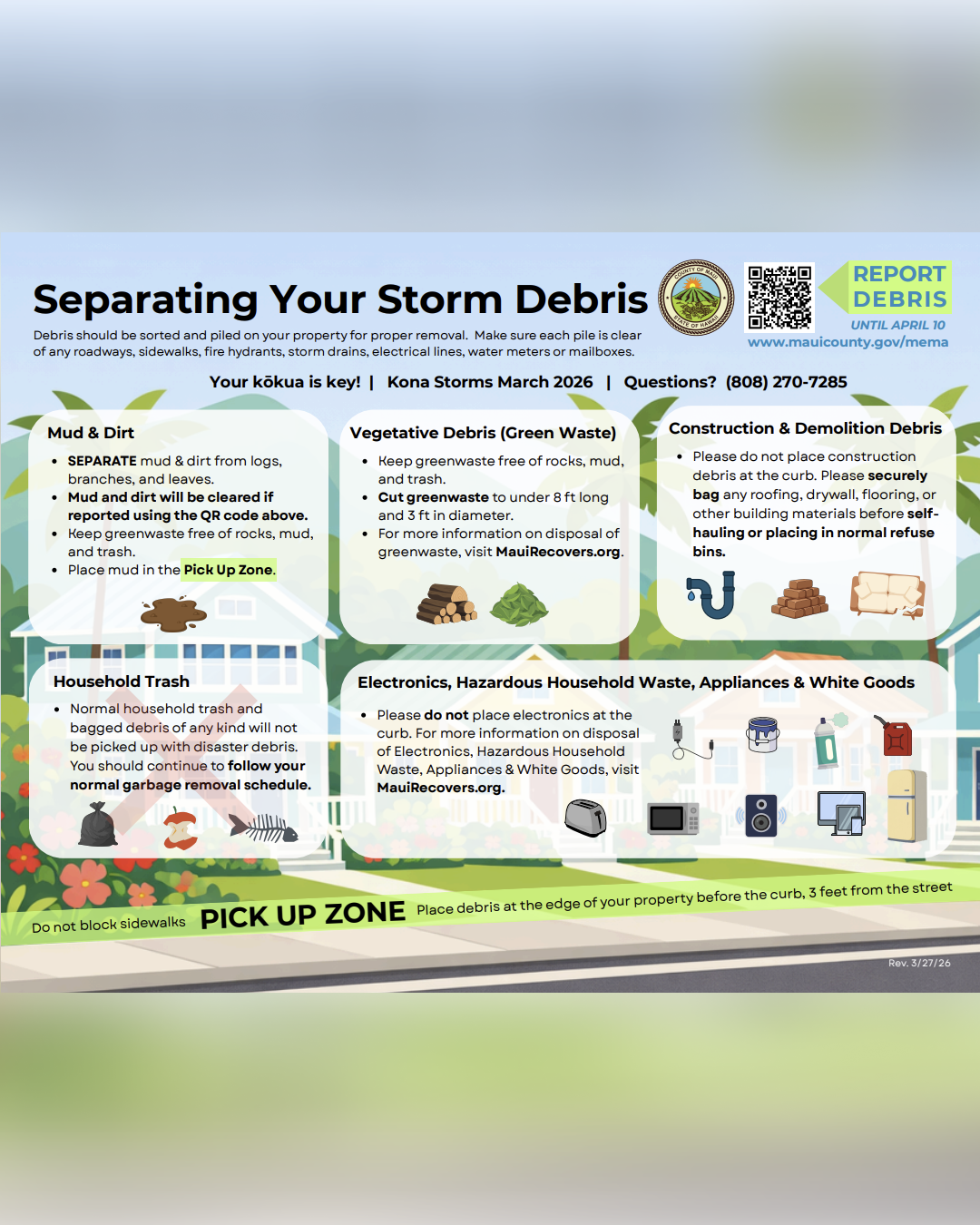
How to dispose of storm debris across Maui, Molokai and Lanai. Debris should be sorted and piled on your property for proper removal. Make sure each pile is clearof any roadways, sidewalks, fire hydrants, storm drains, electrical lines, water meters or mailboxes.
The Hawai‘i Department of Health (DOH) is urging residents impacted by recent flooding across the state to take precautions during cleanup and recovery efforts to protect their health and safety.
Floodwater contains hazards. Properly cleaning and drying your home after a flood can make it safe to re-occupy.
As communities begin cleanup and recovery, DOH is providing the following guidance:
If you come into contact with floodwater:
Is the mud/sediment around/in my home safe?
Will DOH test the mud/sediment?
Mold growth can begin quickly after flooding and may pose health risks.
Discard materials that cannot be safely cleaned:
Clothing and linens may be salvaged by washing with detergent and bleach.
When cleaning or entering affected areas, wear:
Food may not be safe after a power outage — even if it looks or smells normal.
When in doubt, throw it out.
Leptospirosis
Prevention:
Seek medical care promptly if symptoms develop. Early treatment is critical.
Rat Lungworm Disease
Prevention:
Seek medical attention if symptoms such as severe headaches, stiff neck, or neurological issues develop.
Mosquito Control
Standing water after flooding can increase mosquito populations.
Mosquitoes in Hawai‘i can carry diseases such as dengue, chikungunya and Zika. While these diseases are not currently present in Hawaiʻi, controlling mosquitoes is the best way to prevent them from occurring.
Seek medical attention if you experience:
Recovering from a disaster can take a toll on emotional well-being.
For individuals and families:
DOH Resources – Adult Mental Health Division
Supporting keiki:
DOH Resources – Child & Adolescent Mental Health Division
Support is available through the Hawaiʻi CARES crisis line. Call, text, or chat 988.
Flood-damaged homes may not be safe to occupy until they are fully cleaned, disinfected and dried. Consult professionals when in doubt.
DOH encourages residents to take these precautions seriously to prevent illness and injury during recovery.
For more information, visit the Hawai‘i Department of Health website.

Maui Recovers is the official County of Maui website providing residents, businesses, and the community with updated disaster recovery information and support resources.
.svg)
.svg)
County of Maui
support@mauirecovers.org200 S. High Street, Wailuku HI 96793
.jpg)
